Week 1 Typography Script
Week 2 Hybridizing
Final Publication
20022310*
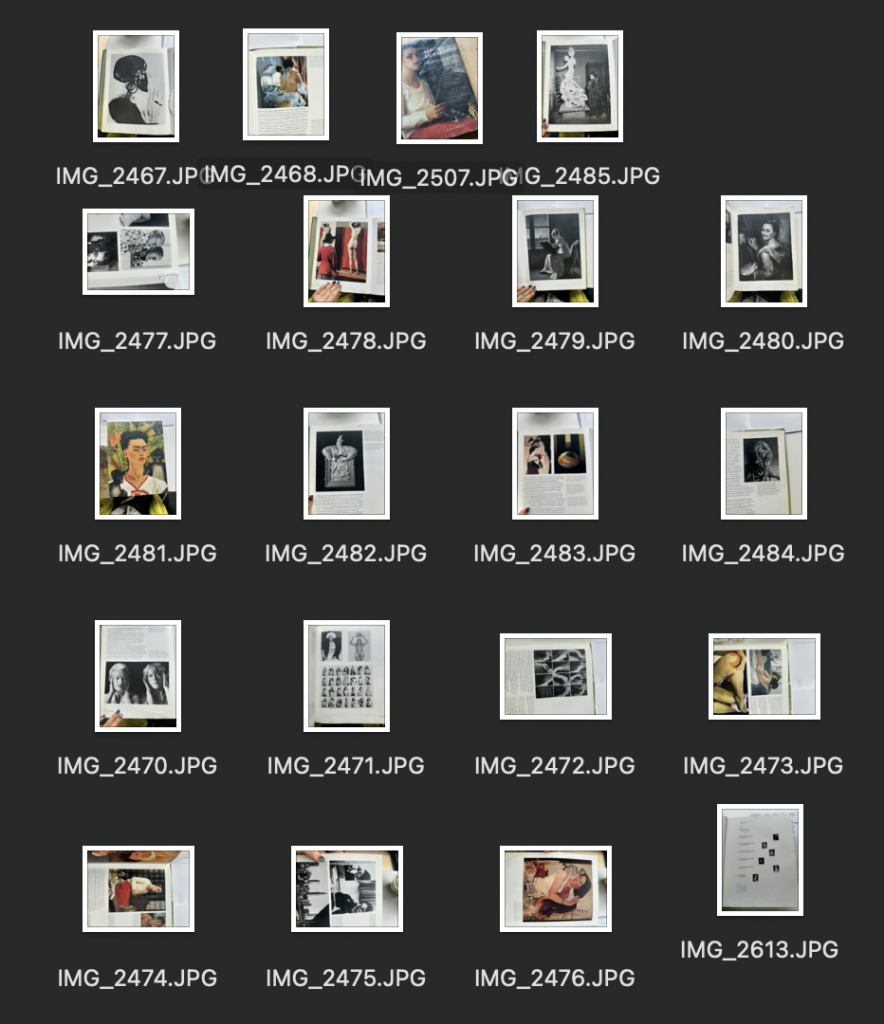
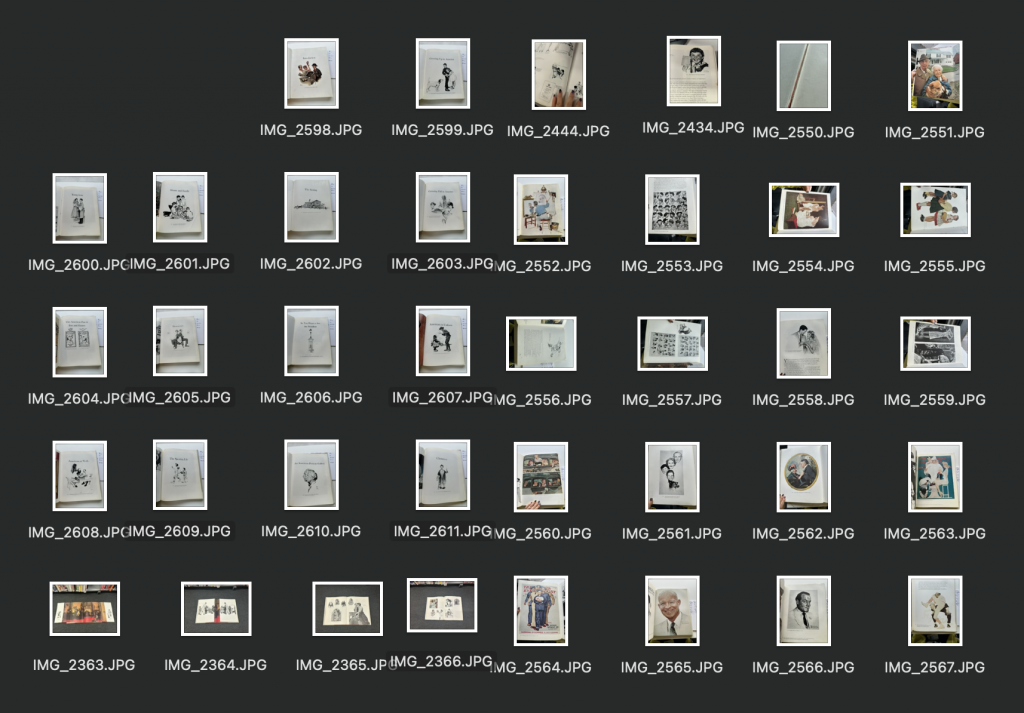
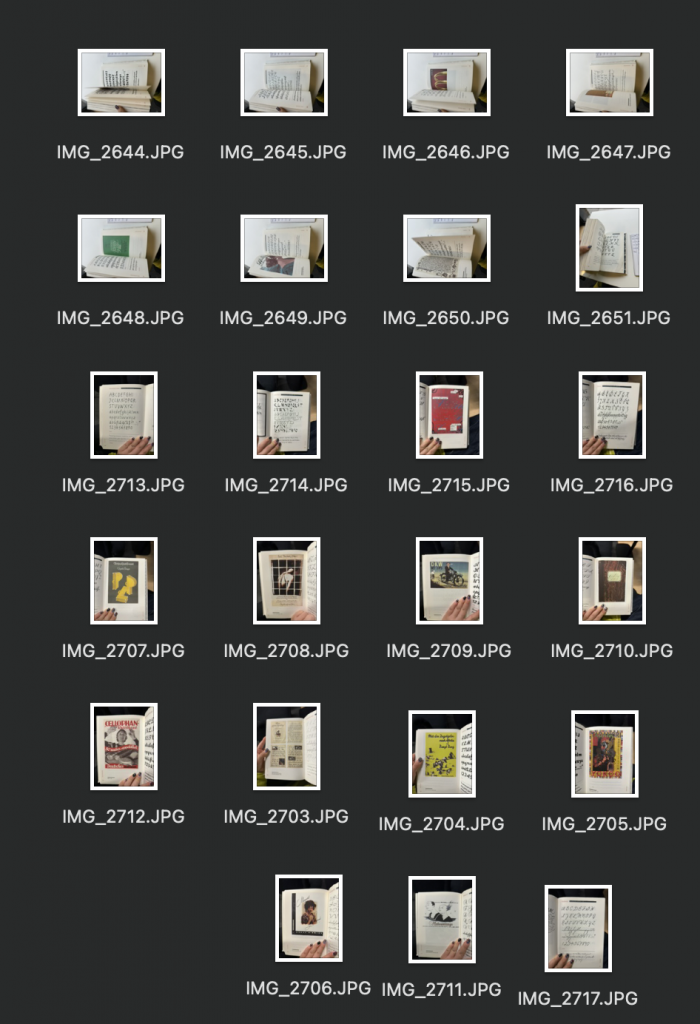
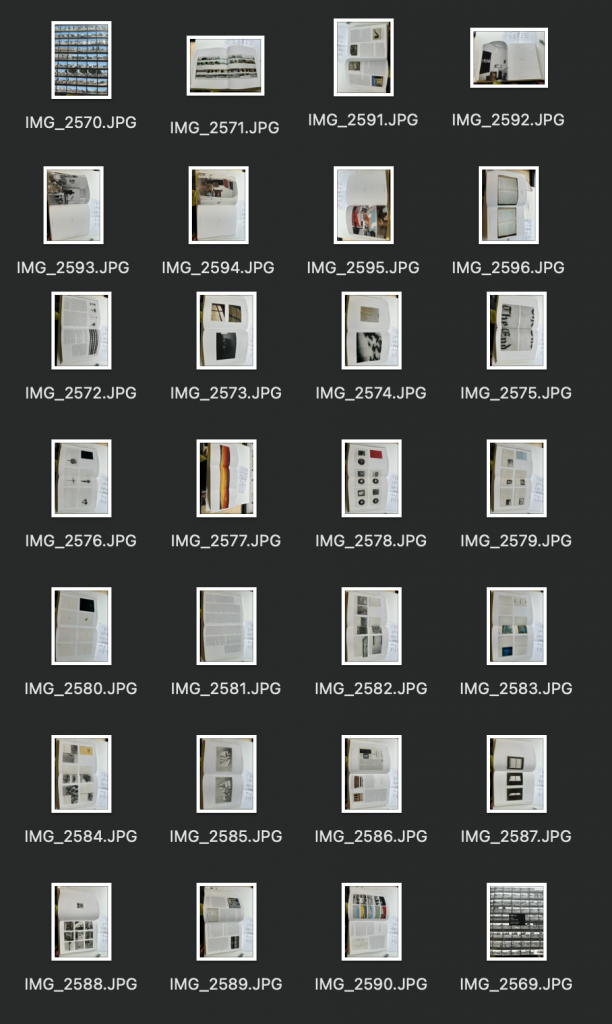
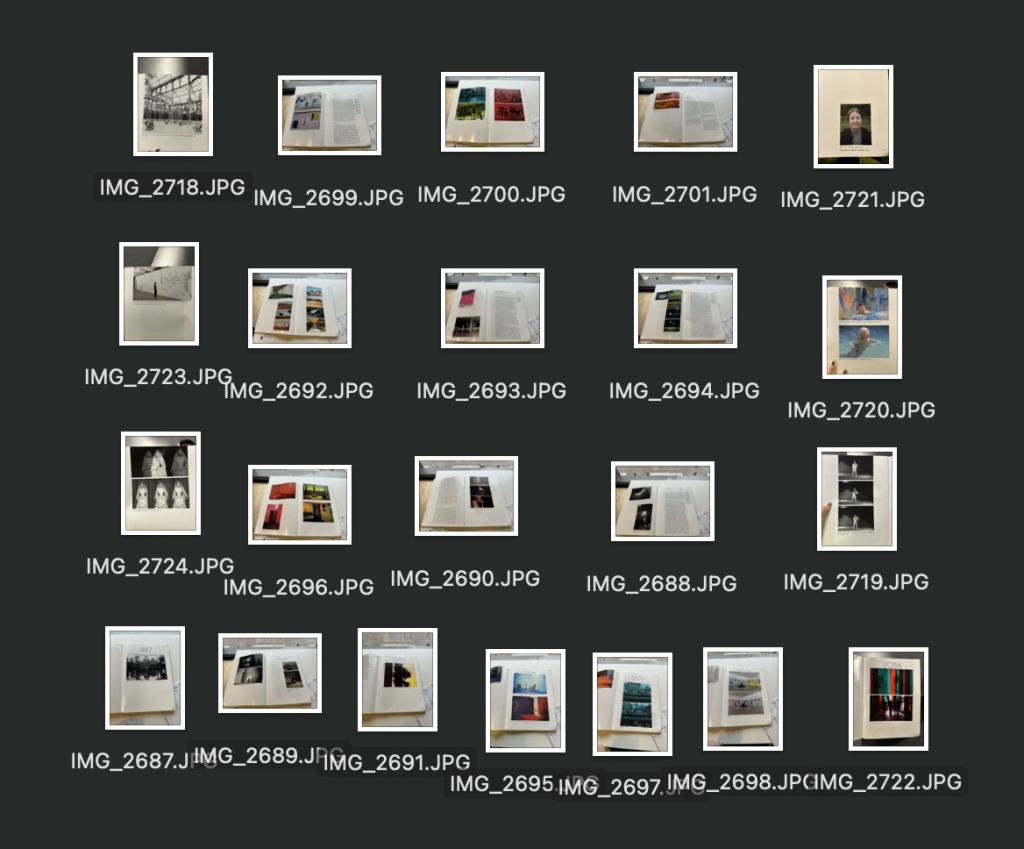
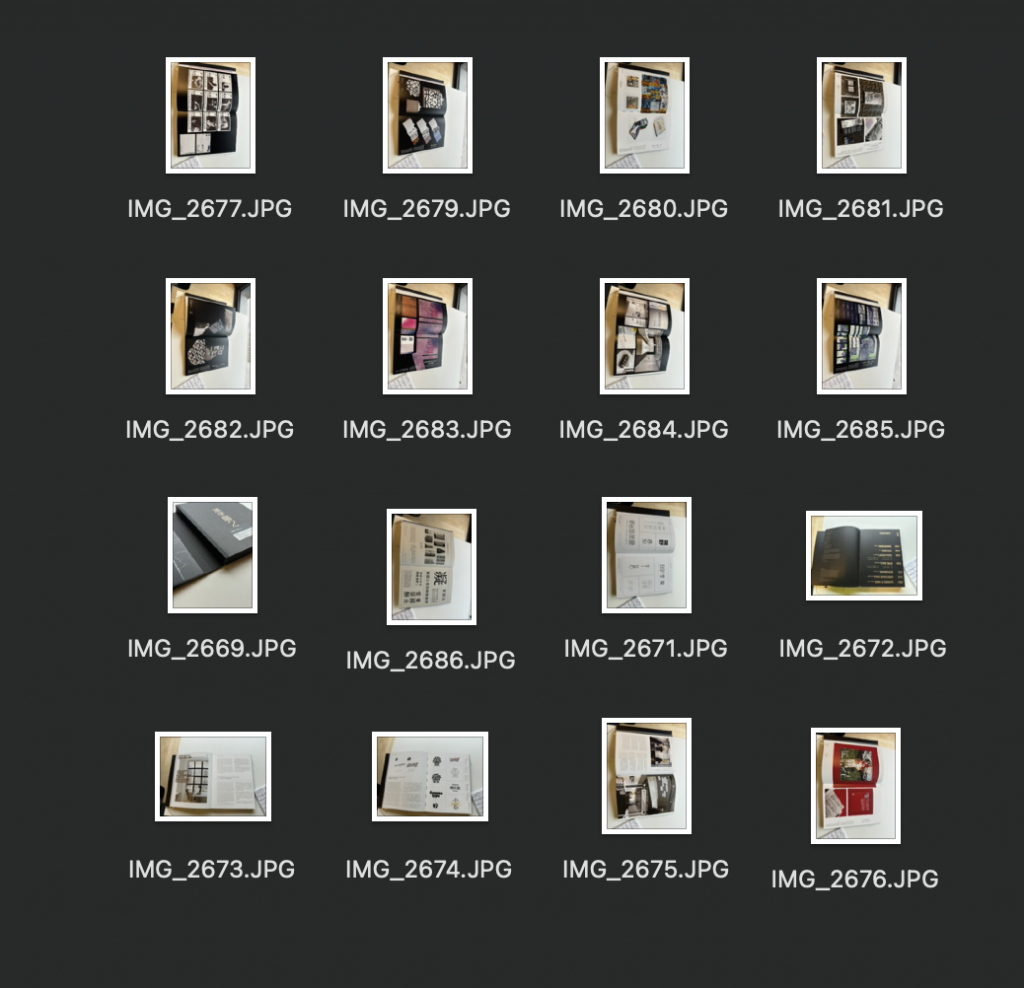
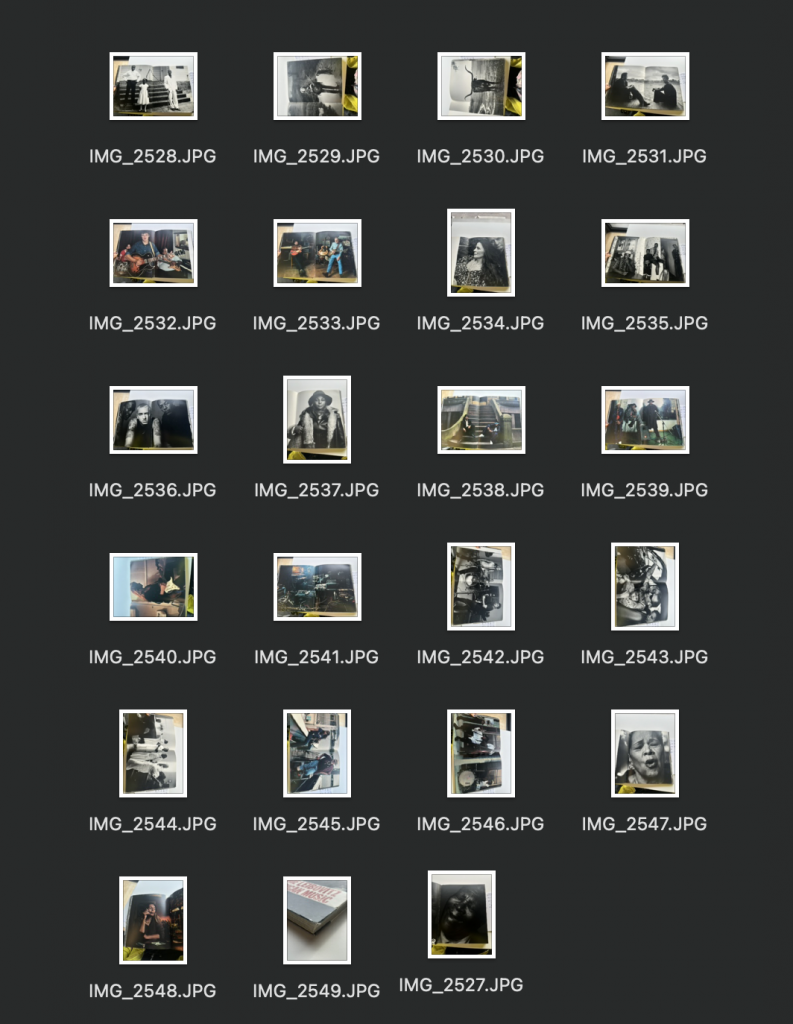
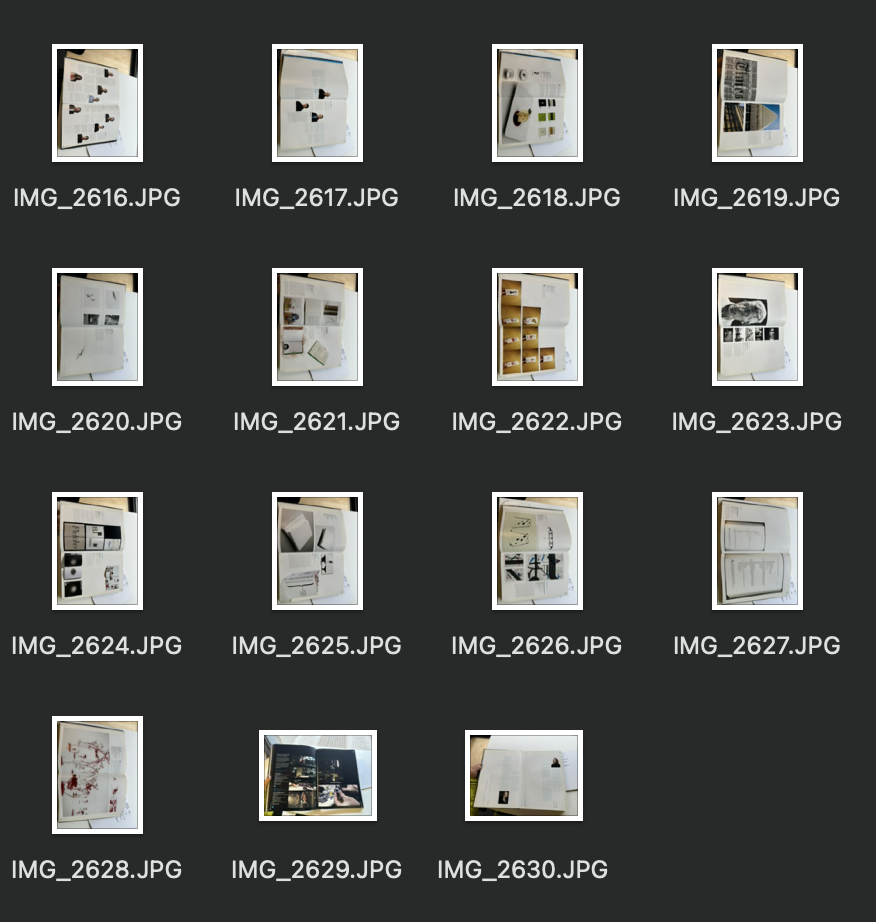
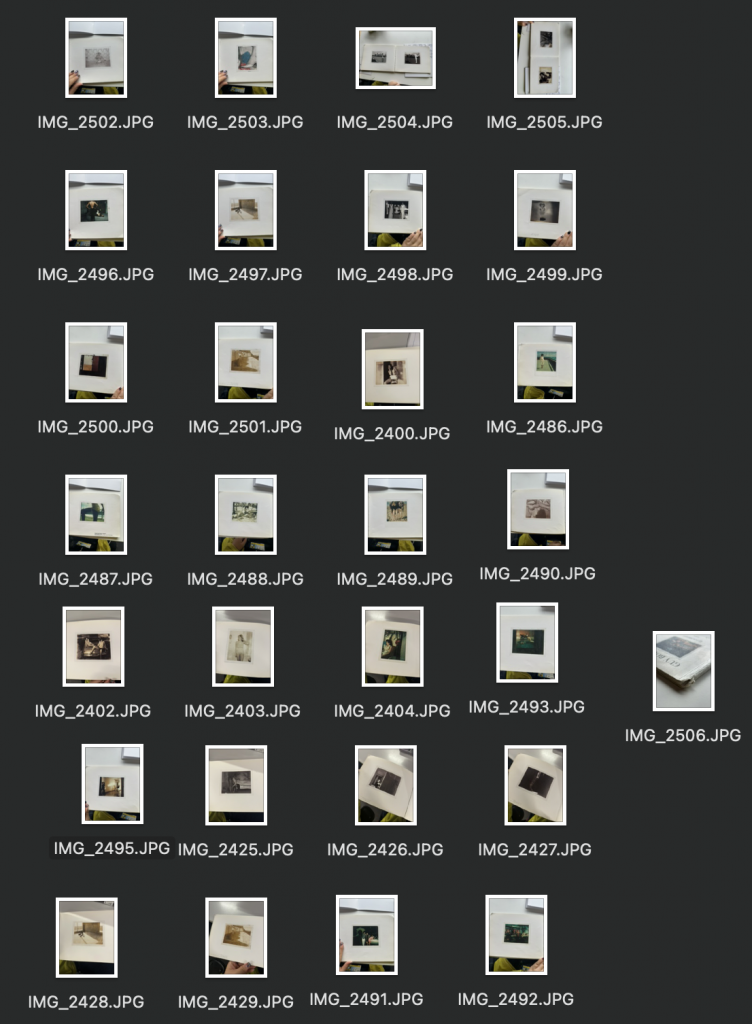
Rough Collection of gazing in 10 books
And I also try to create the photo stack for each gaze dimension in each book.
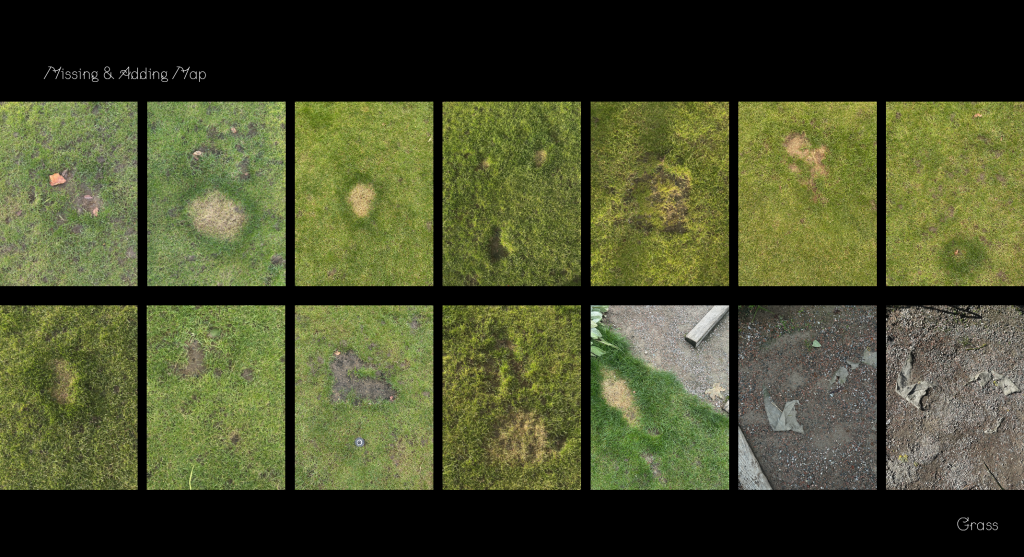
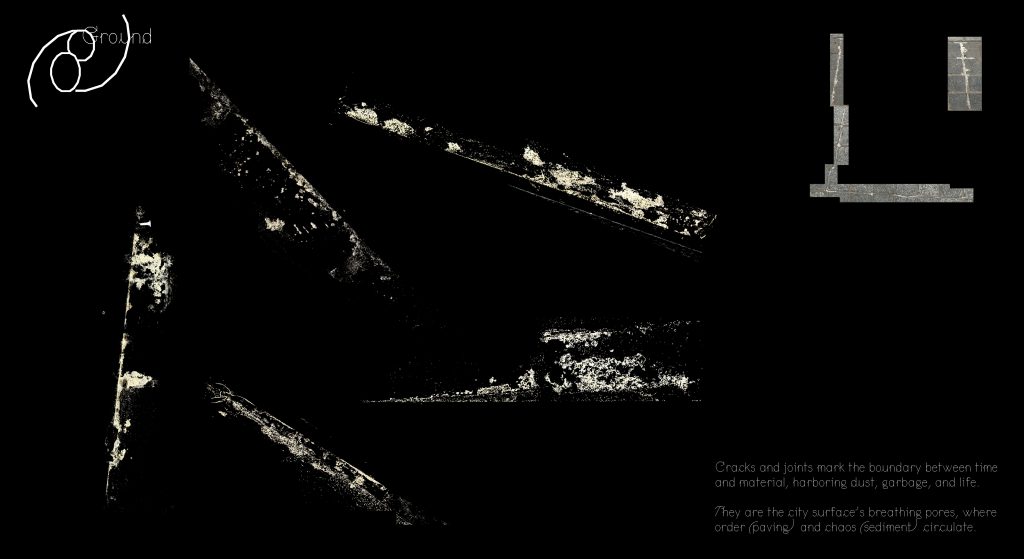
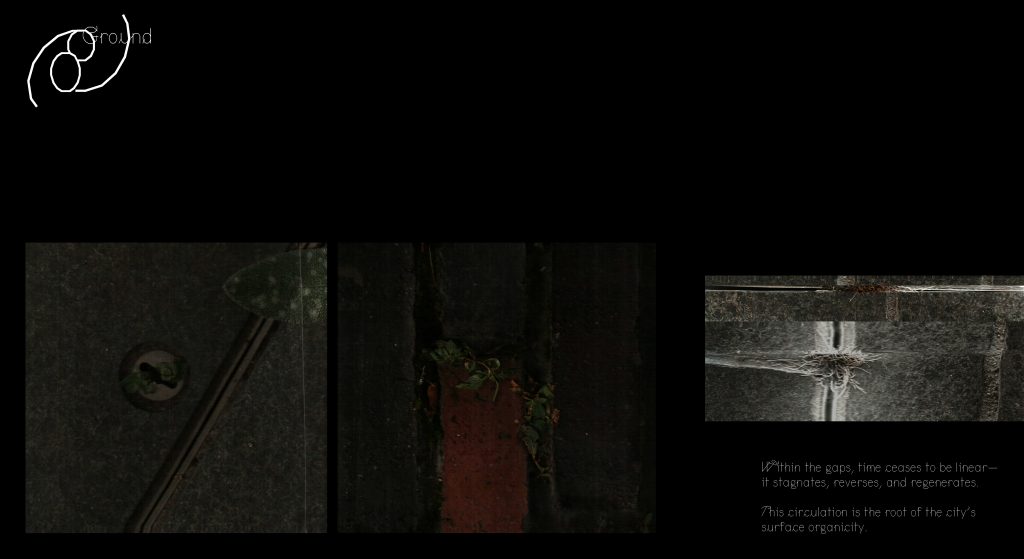
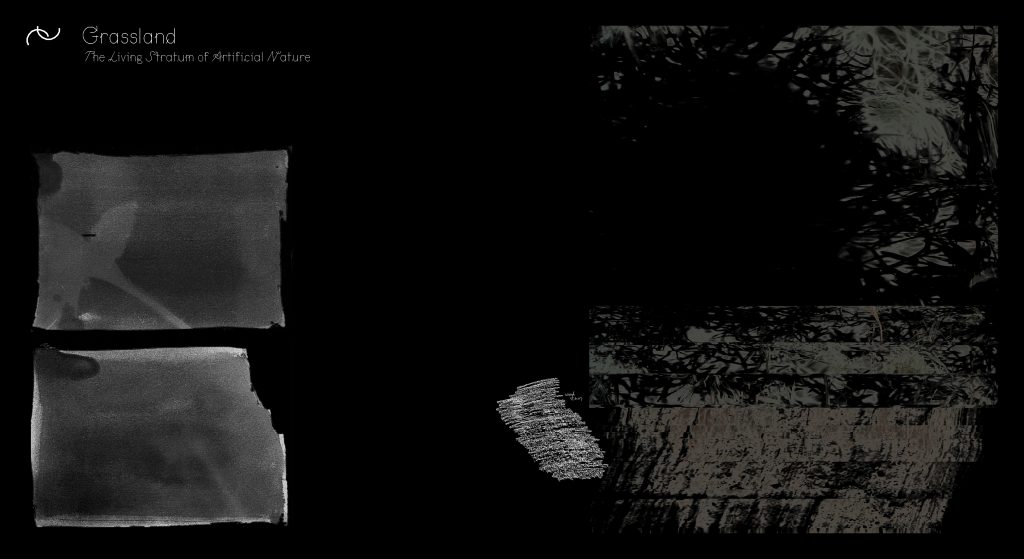
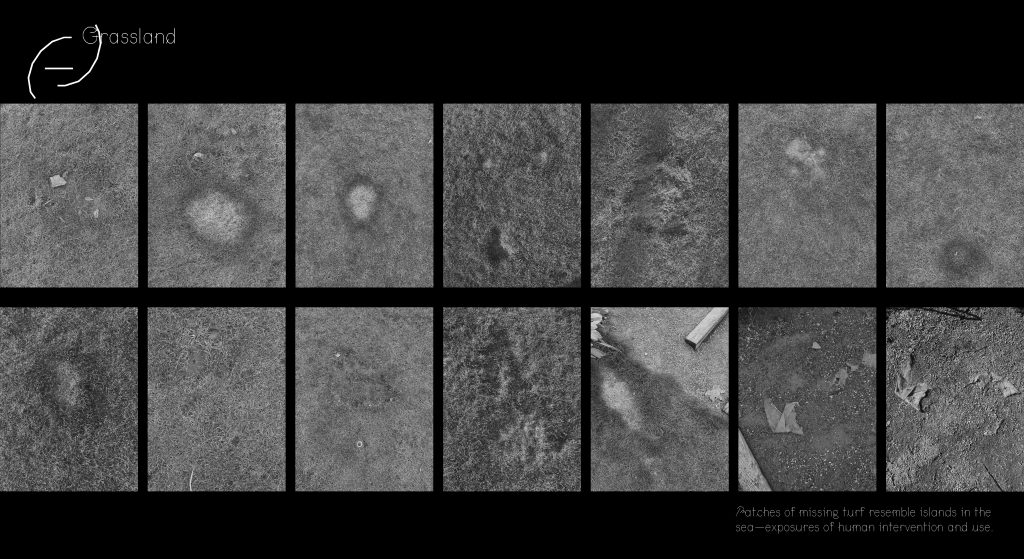
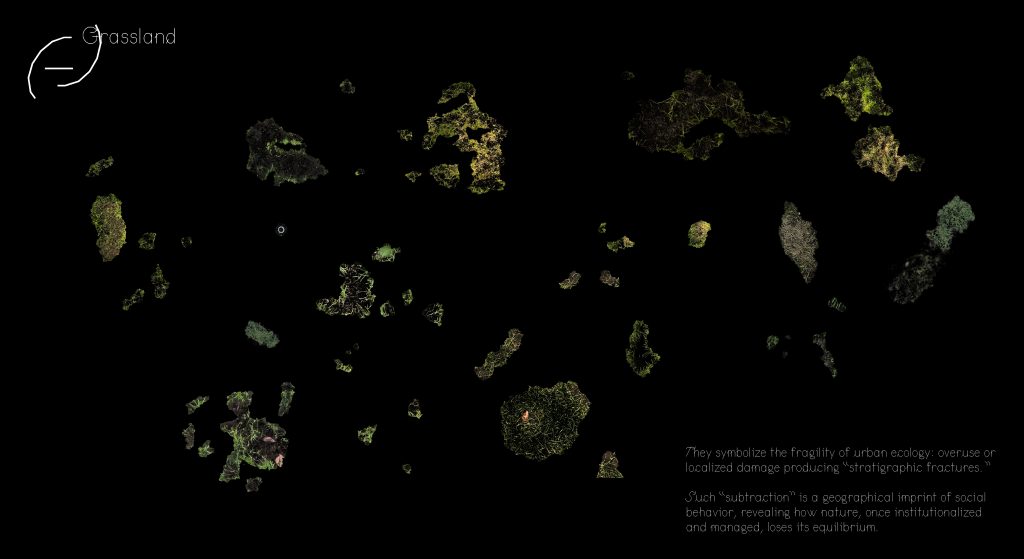
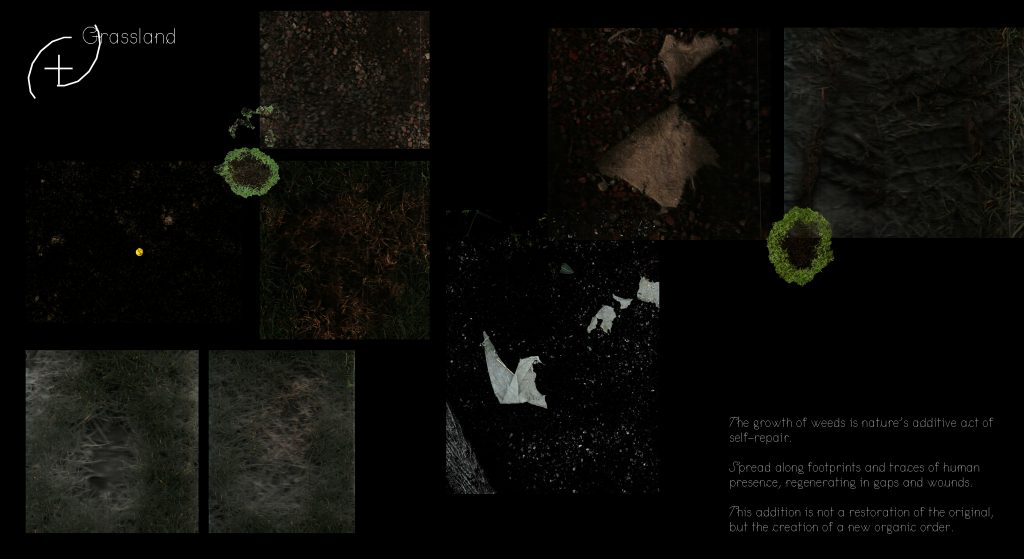
I went to the park almost everyday to find something special. One that led my curiosity is the missing parts of the grassland. It might be because the repeated footsteps, temporary events, or uneven sunlight gradually wear away the surface, which showing that even planned green spaces cannot remain fixed. The ground itself records movement and use, reminding me that maintenance and erosion coexist as part of the same living system.
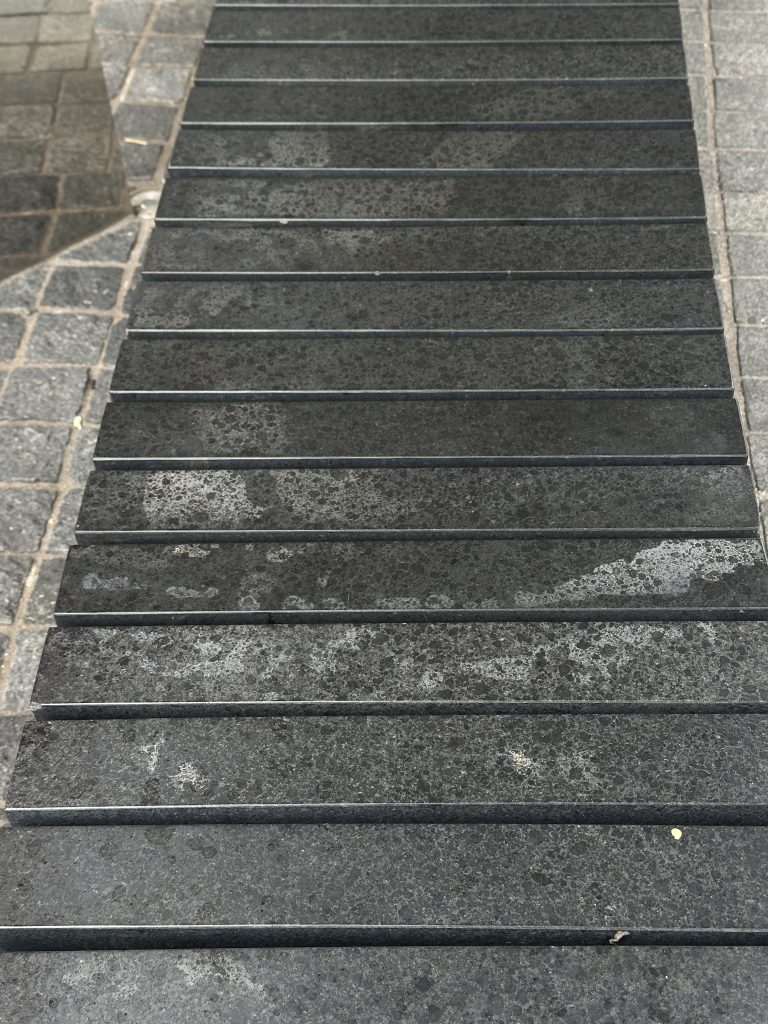
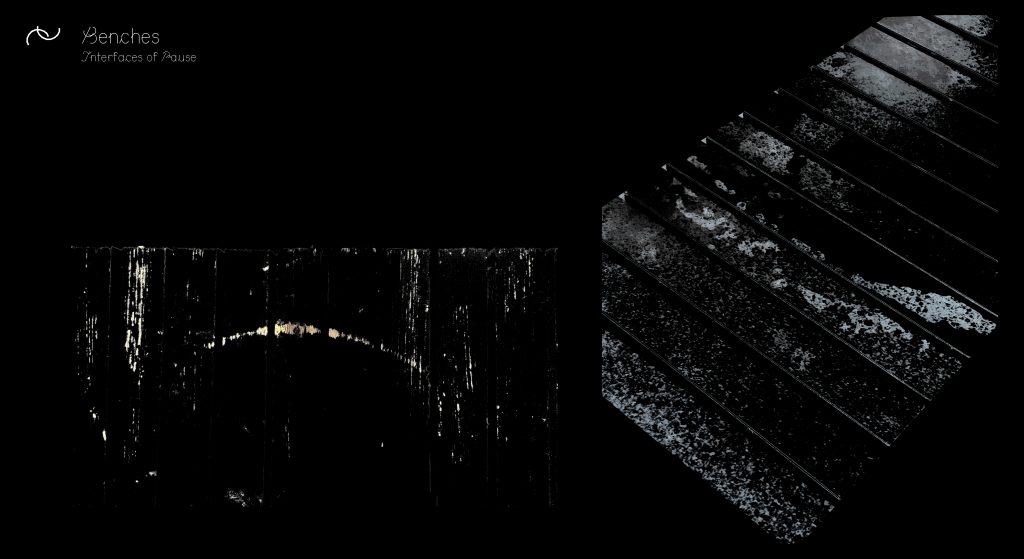
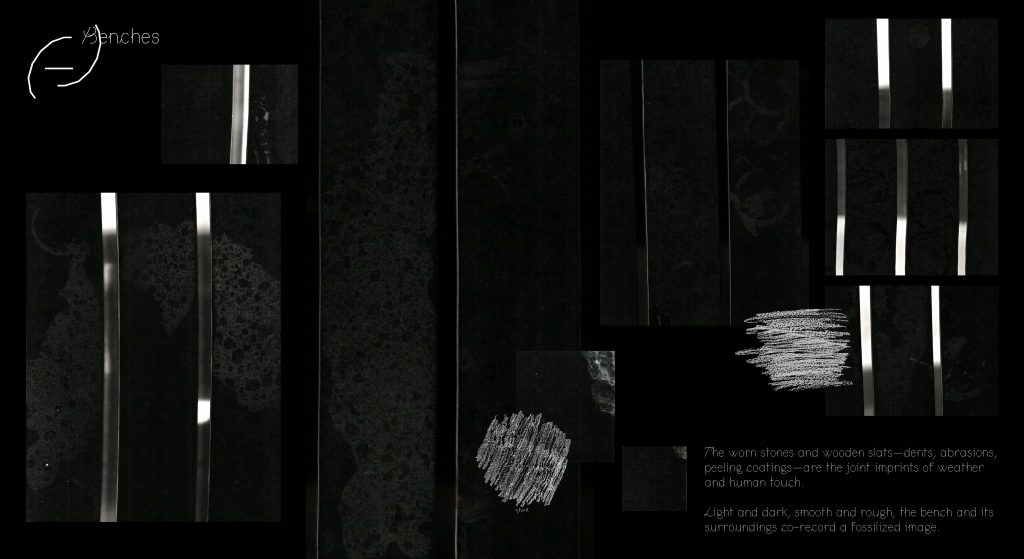
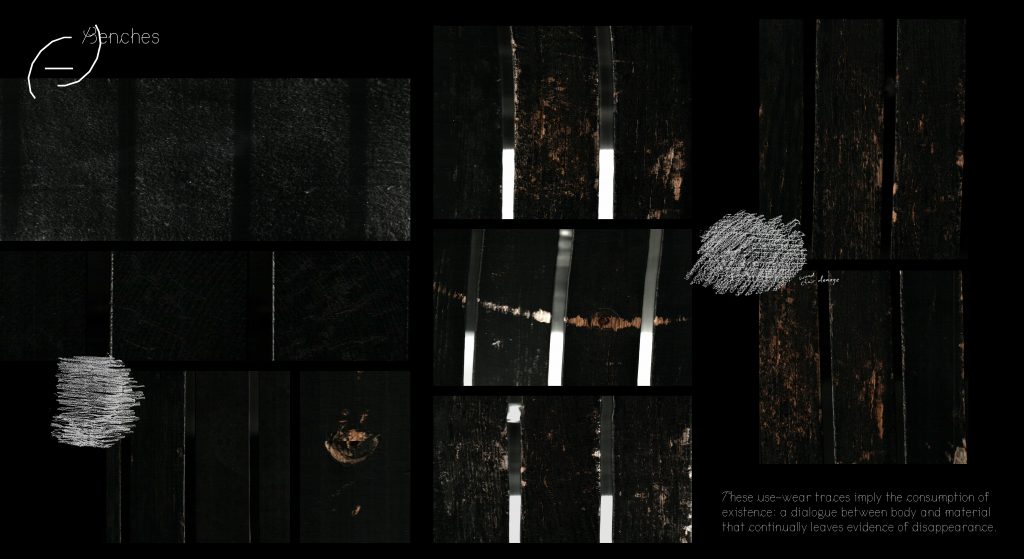
The stone benches also displayed uneven textures — some smooth from frequent sitting, others rough and weathered by rain. These subtle differences made visible the park’s slow dialogue between human touch and natural decay. Observing these contrasts led me to think of organic not as biological, but as a process of constant exchange — where every mark, erosion, or repair becomes part of an evolving life cycle.
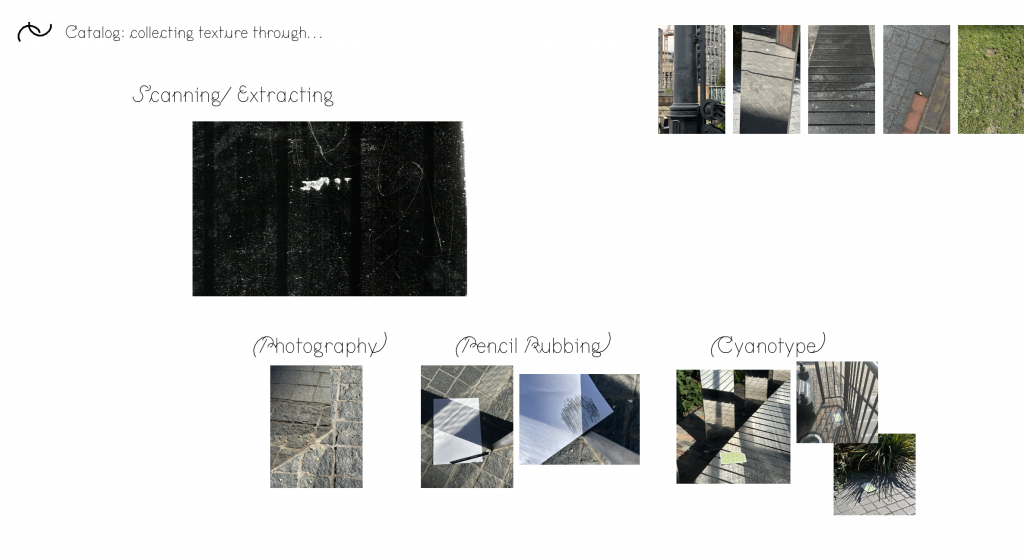
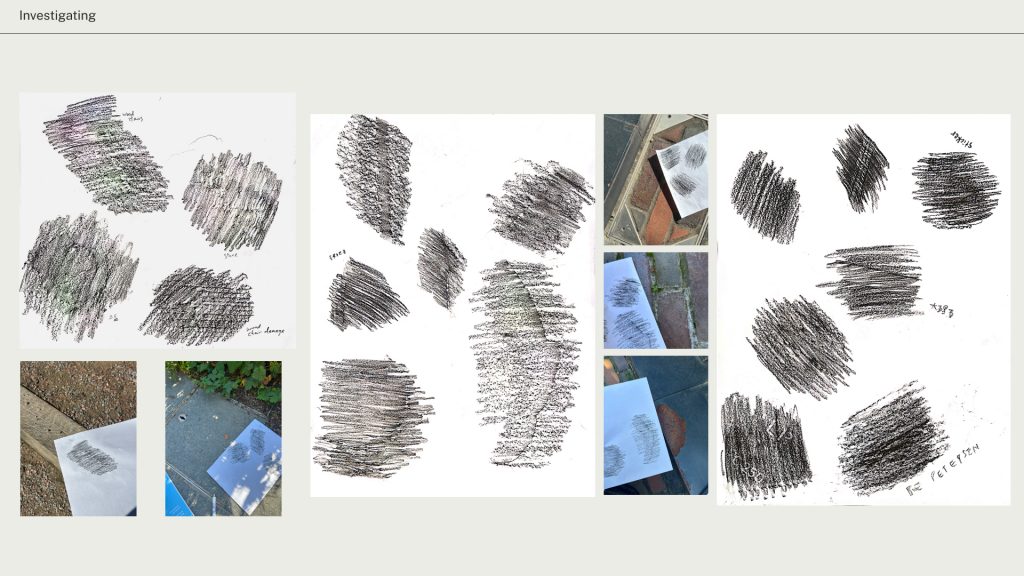
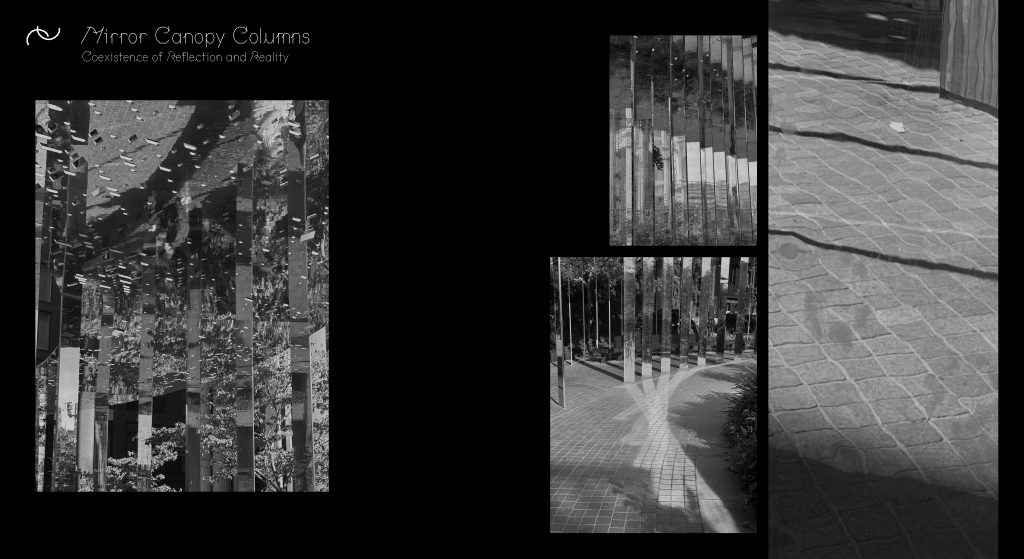
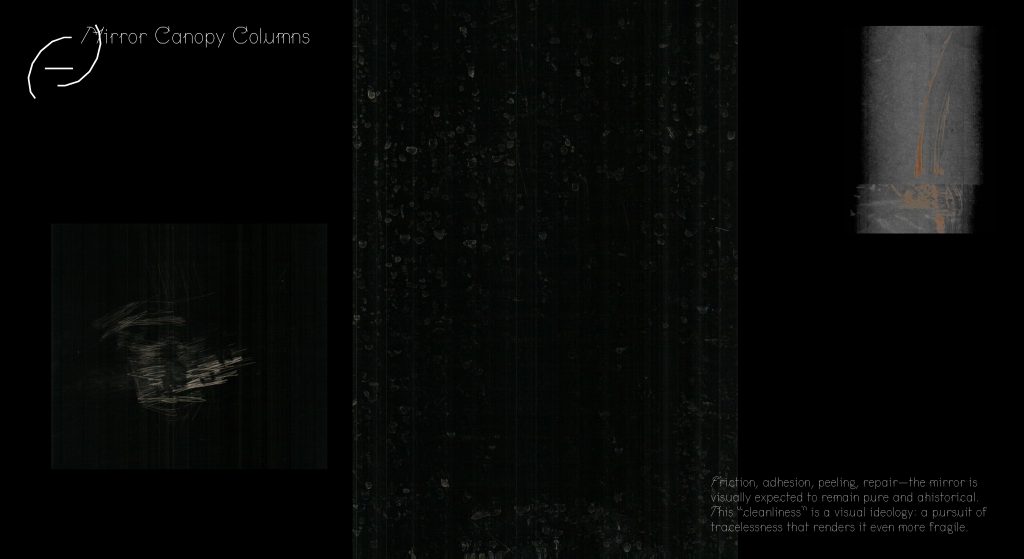
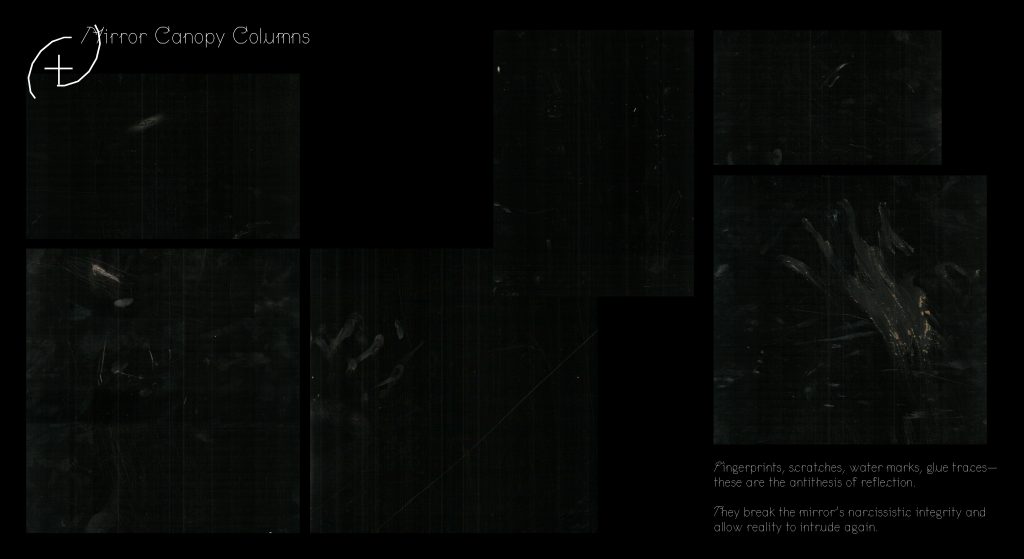
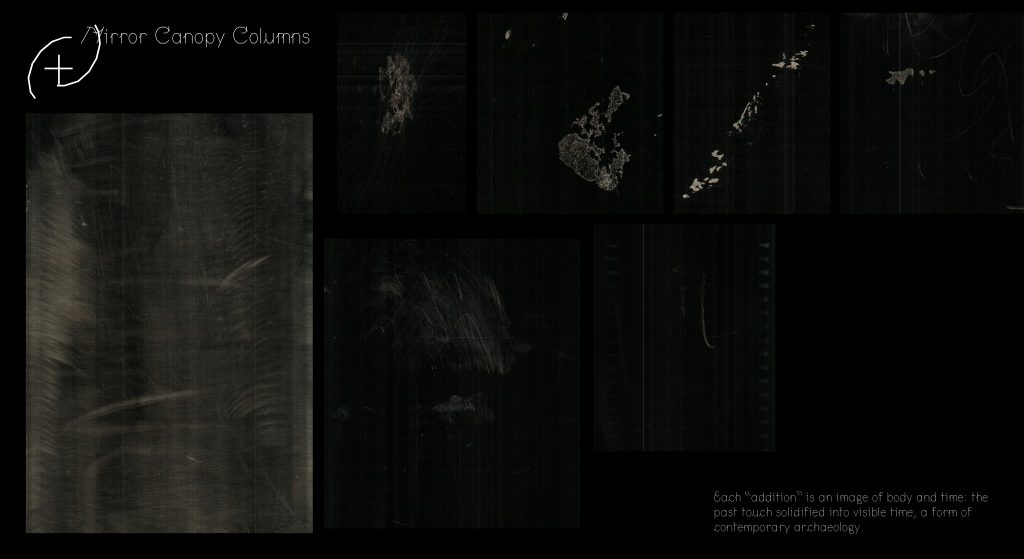
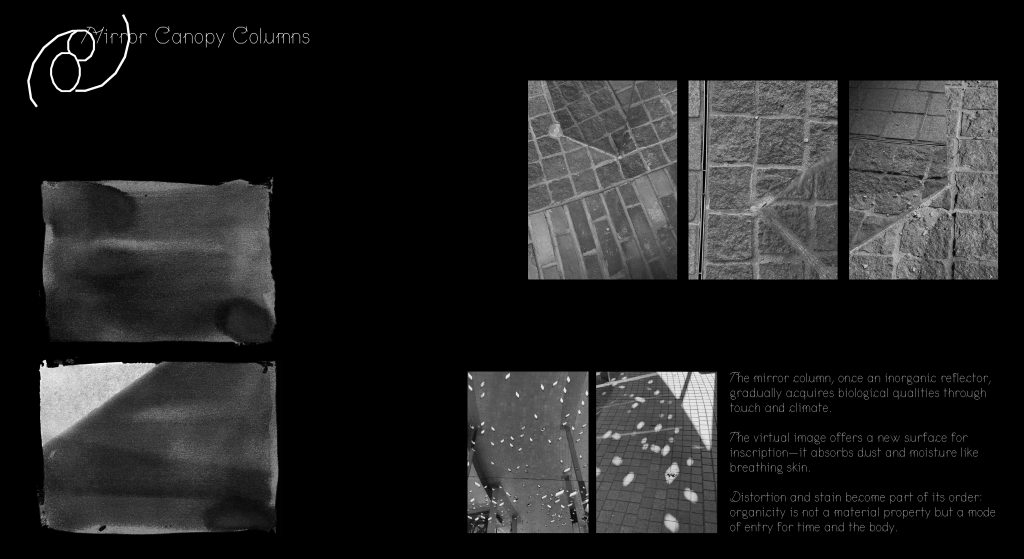
In terms of collecting traces, the striking visual effect created by the mirror canopy columns became a clue I wanted to embed in my outcome. The handheld scanner—with its glitching effects—became a better tool to capture surface details, and the scanning accidents caused by uneven surfaces symbolise a second, human reading and distortion of the traces.
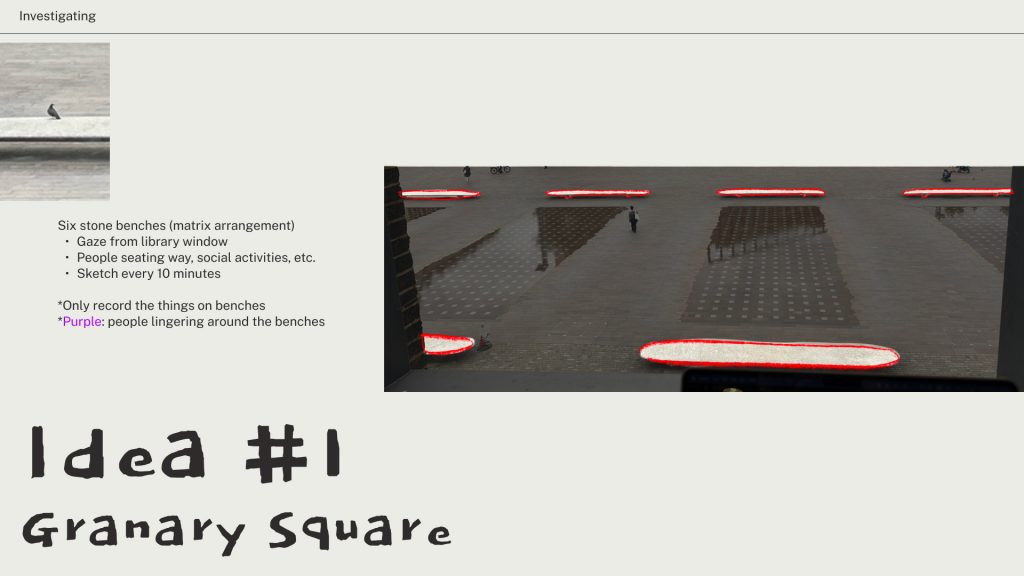
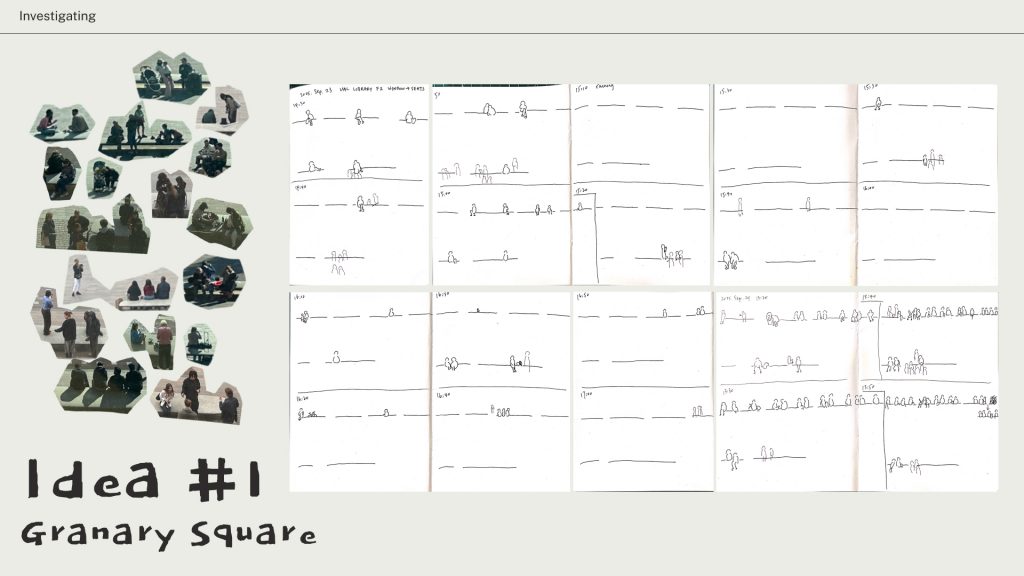
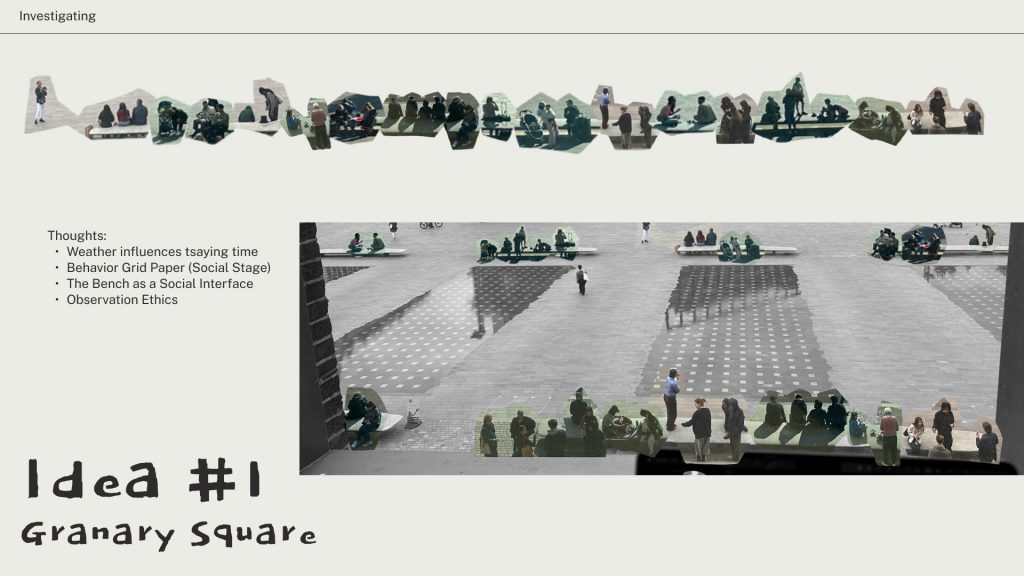
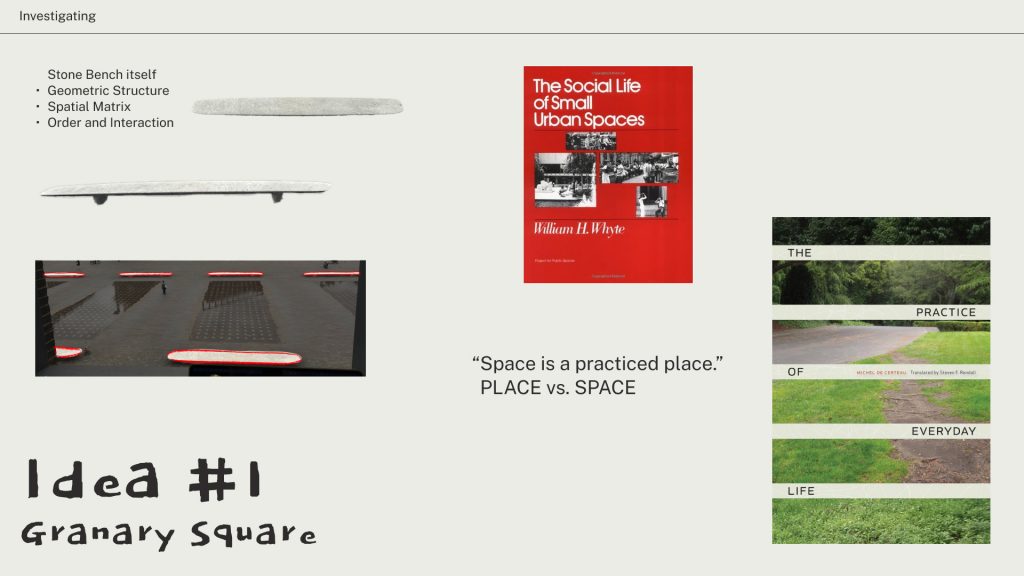
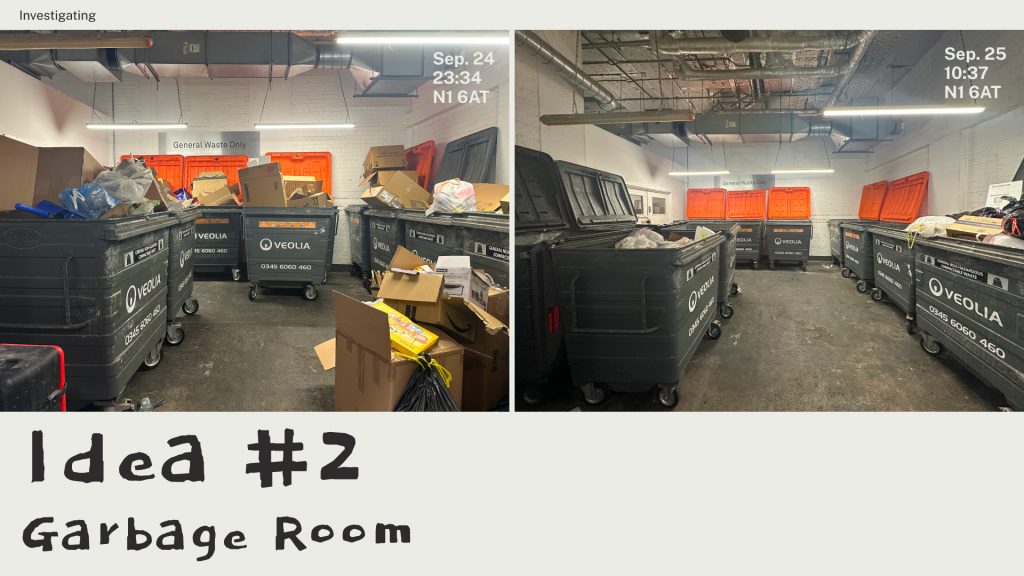
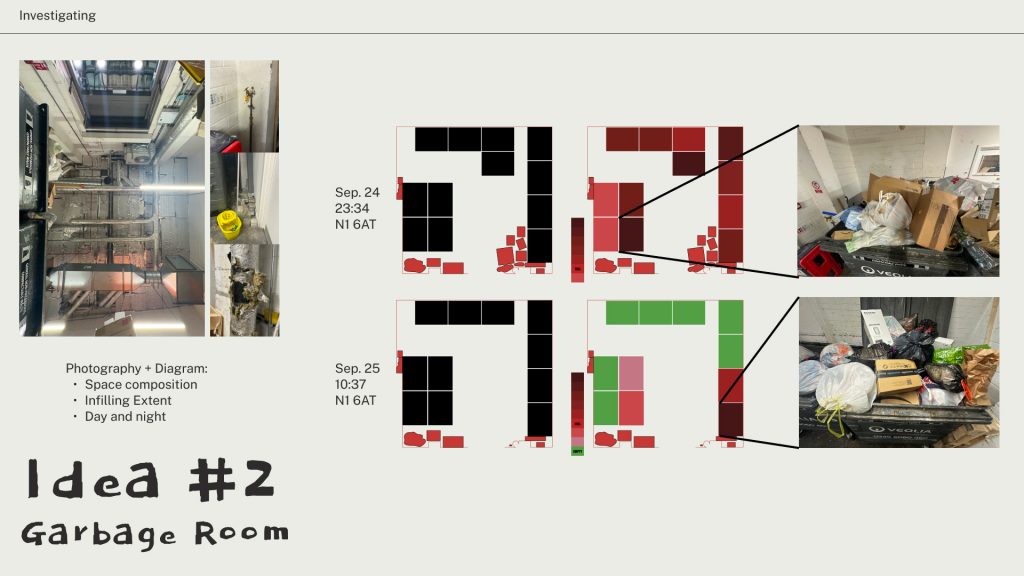
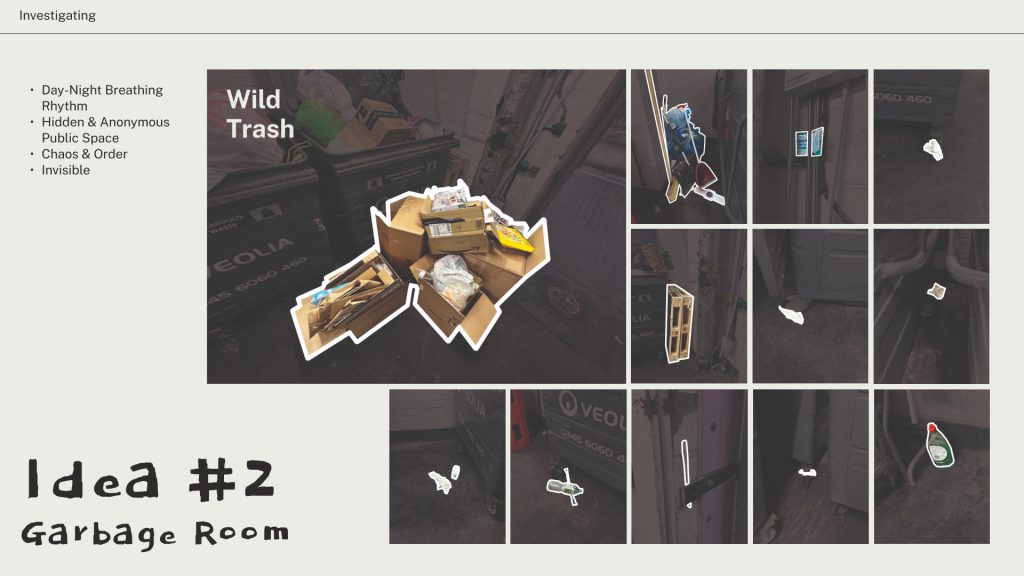
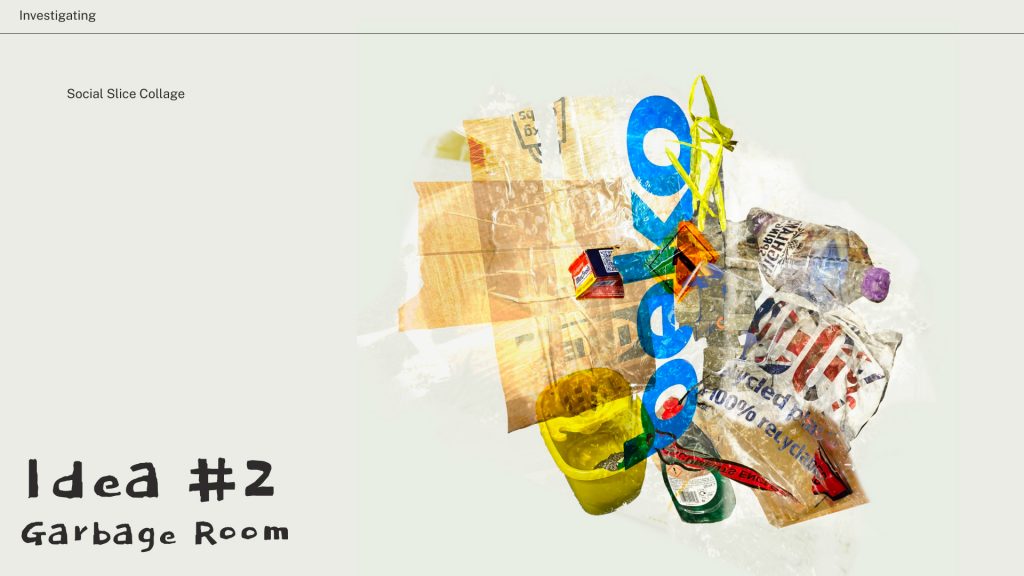
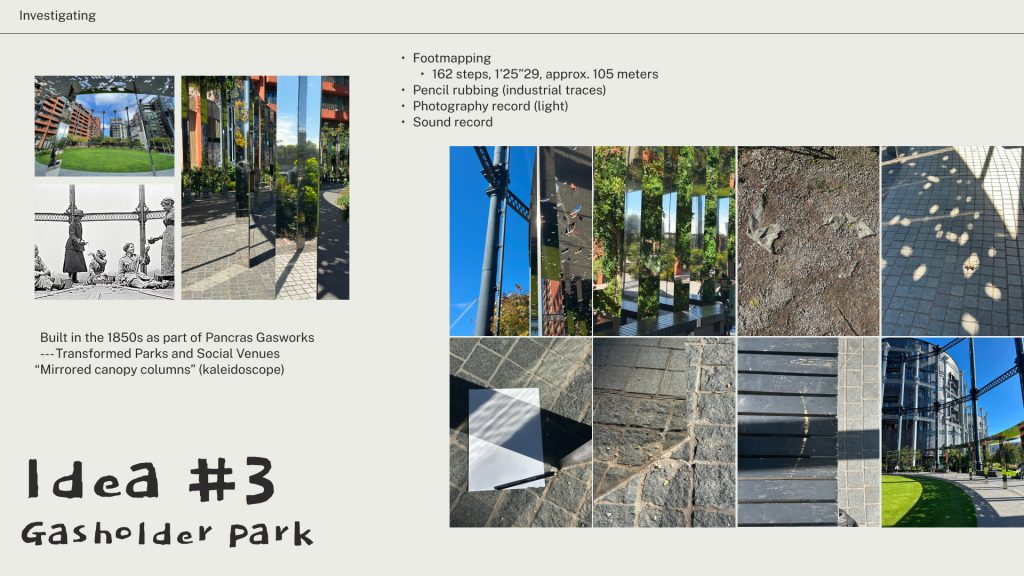
I misunderstood the brief and explored several experiments for 3 sites. I thought all of them were worth developing further, since I don’t really want to talk with strangers, I eventually chose the circular park. I hoped not to focus on its fabulous visual impact, but rather on its meaning and exploring the unfamiliar and hidden aspects through investigation.
In this unit, I translated a film fragment into a publication, exploring how form reshapes meaning. Using the same approach, I reinterpreted Alessandro Ludovico’s Post-Digital Print: A Future Scenario through 2 methods from Raymond Queneau’s Exercises in Style. Ludovico’s essay on the coexistence of analogue and digital meets Queneau’s method of variation and repetition. By filtering one through the other, this written response transforms argument into rhythm, treating translation as a process of reformation rather than substitution.
The dilemma of print in the digital era materialises as the tension between analogue and digital transitions. Instead of a binary opposition, they interlace—entering a phase of hybridity and redefinition. Unlike music or video, which act as intermediary carriers, print is the display itself. It holds gestures, complexity, and cultural depth. The page carries its own grammar of touch; punctuation is defined by weight, texture, and time. In contrast, digital publishing speaks the syntax of connection. Together, they form a composite sentence where clauses of paper and code alternate. Decentralised, community-based DIY publishing emerges in response, forming an analogue-like network in which each zine is a node, each exchange a packet of cultural data (Ludovico, 2012, pp.154). As digital and print converge, their syntax merges into “the first true hybrids” (Ludovico, 2012, pp.156). Here, translation becomes notation—a tracing of transformation, a record of shifting media—reading itself rewritten as a rhythmic interface between the tangible and the networked. Though current hybrids remain at a consumer level, they foreshadow a processual and remix-driven post-digital publishing to come.
Print drifts through the post-digital sea like a jellyfish—transparent, slow, catching light. Around it, signals move like currents, brushing against its soft edges. “There is no one-way street from analogue to digital,” (Ludovico, 2012, pp.153). The screen flickers above like sunlight on water; the page moves beneath, patient and full of memory. Sometimes they touch—reflection meeting texture.
In this tide, mushrooms begin to grow in forgotten corners of print: zines, small presses, handmade books. They feed on the remains of pixels, transforming what was once consumed by speed into quiet persistence. The forest of publishing becomes damp and alive again, each spore a story, each page a breath.
Print does not vanish into the digital; it floats within it, faintly glowing. Between paper and screen, between drift and growth, new forms pulse. Their bodies are fragile, but they continue to regenerate—each cycle a slow translation between one medium and another.
Reference
Queneau, R. (1998) Exercises in Style. London: John Calder. [First published 1947], pp. 9–16, 19–26.
Ludovico, A. (2012) ‘Post-Digital Print: A Future Scenario’ and ‘Print vs. Electrons’, in Post-Digital Print: The Mutation of Publishing since 1894. Eindhoven: Onomatopee, pp. 153–161.
I selected p2–5 of Hito Steyerl’s In Defense of the Poor Image as the text for my cataloguing experiment. Through analysing the visual capitalism behind low-resolution images in the networked era, the author reveals their neglected significance — as a form of cultural life that bears witness to the politics of copying, migration, appropriation, resistance, and sharing (Steyerl, 2012). Referring to Lisa Gitelman’s definition of metadata as “data about the conditions of knowledge production” (Gitelman, 2013, p. 2), I aim to use this perspective to make the hidden relationships within the text more visible. At the same time, I draw on my own experience from the library return-shelf project, in which I catalogued ten books from a curatorial perspective, to examine the text’s structure through a similar lens.
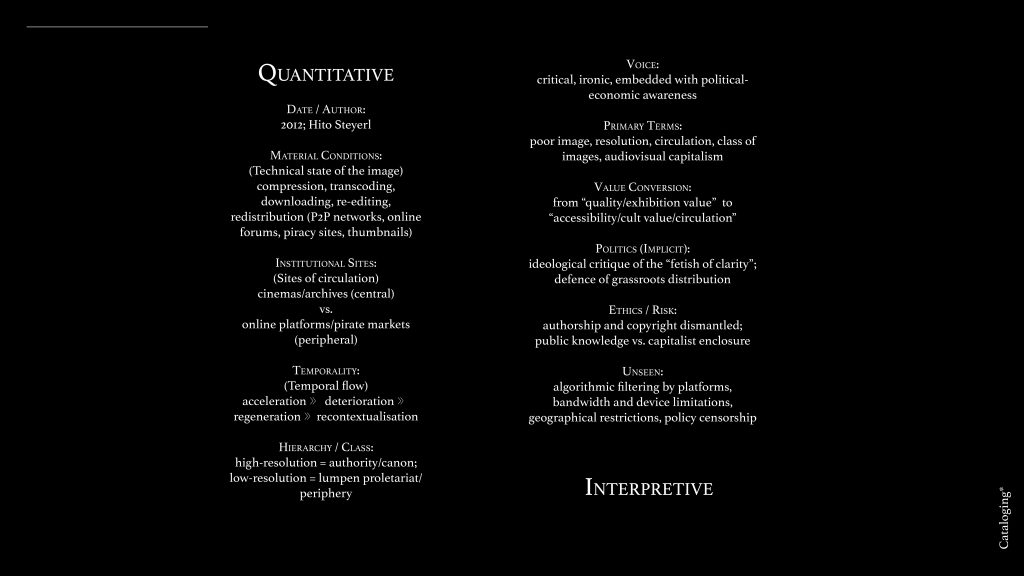
In my designed catalogue, the quantitative layer directly derives from the descriptive patterns of the text. Steyerl defines the poor image as “a copy in motion.” When the author lists actions such as compressing, uploading, and reformatting, these naturally form a technical process that can be recorded as metadata. The contrast between cinemas and archives versus online images establishes an institutional geography, while the opposition between high and low resolution reveals a quantifiable social hierarchy (Steyerl, 2012, pp. 2–3). By treating these as data, the essay’s rhetoric becomes measurable as infrastructure rather than taste. These fields translate her argument into a structural map.
The interpretive layer comes from the author’s tone and implicit politics. The poor image “transforms quality into accessibility, exhibition value into cult value” (Steyerl, 2012, p. 2). Steyerl ironically describes the poor image as the “Wretched of the Screen,” and critiques “visual capitalism,” showing that language itself participates in ideological production. The Unseen field originates from what she does not explicitly state — the invisible mechanisms of bandwidth, algorithms, and policy, which determine what images can be viewed and circulated.
Through this exercise, cataloguing becomes a way of reading that shifts my focus from content to relational structures. It also inspired reflection in my library return-shelf project: I began to view ten random books as “poor images” circulating within the readers’ gaze and movement. Steyerl’s method made me realise that the meaning of each book lies not only in its content but also in its social life of being viewed, borrowed, and positioned. Therefore, my five-dimensional gaze classification is built upon this metadata-based thinking, transforming reading behaviour itself into an observable and recontextualisable structure.
Reference
Gitelman, L. (2013) Raw Data is an Oxymoron. Cambridge, MA: The MIT Press.
Steyerl, H. (2012) ‘In Defense of the Poor Image’.
Perec’s investigation of The Street was the starting point of my project. Through repeated observation of familiar surroundings, he estranged the ordinary and revealed the hidden logic of urban order. The street, once seen as a stable geometric alignment, becomes an assemblage of micro-elements that together expose the city’s instability and flow. The streets in principle belong to no one, but are used, consumed, polluted, and maintained by everyone (Venturi, Brown and Izanour, 1972, pp.47).
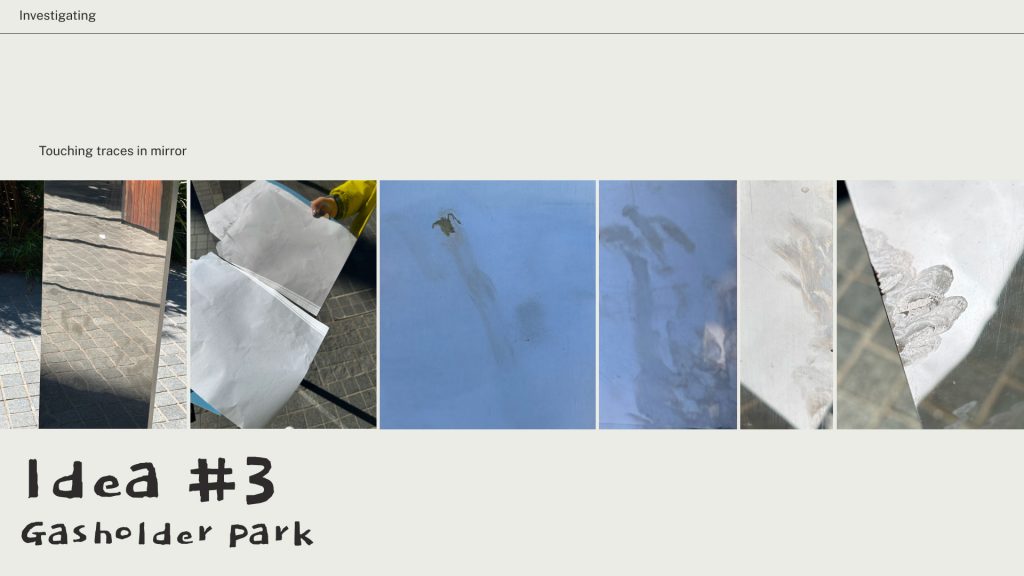
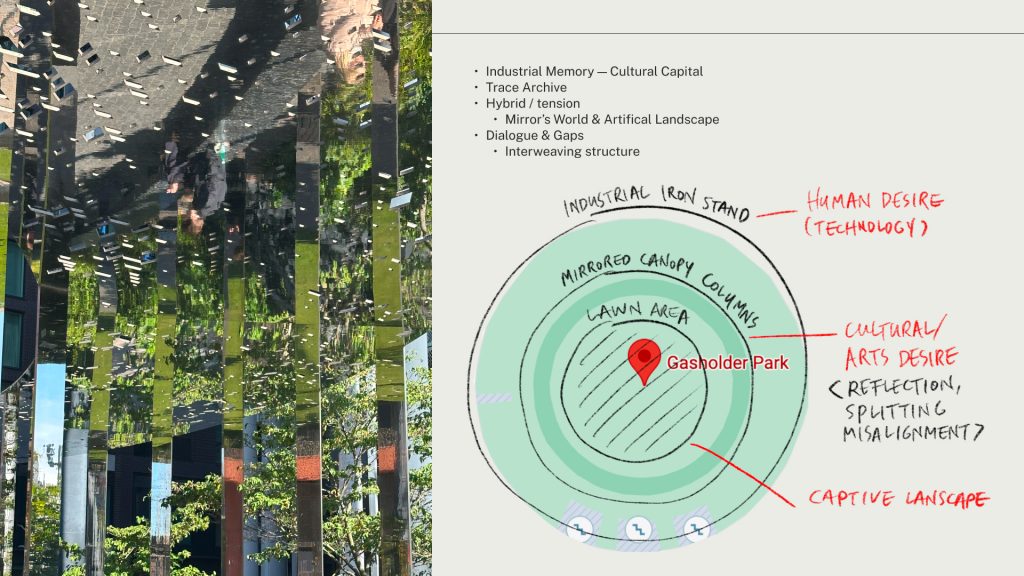
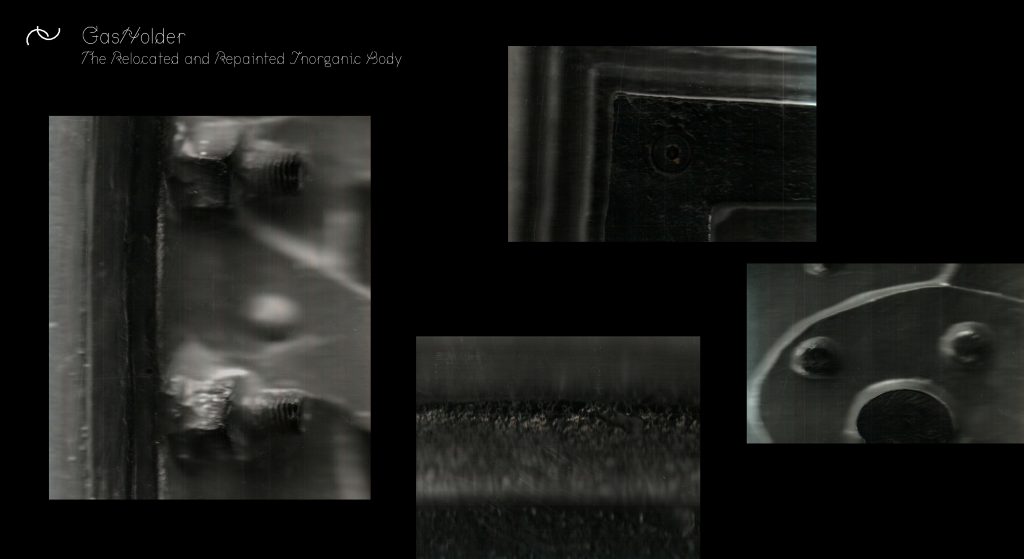
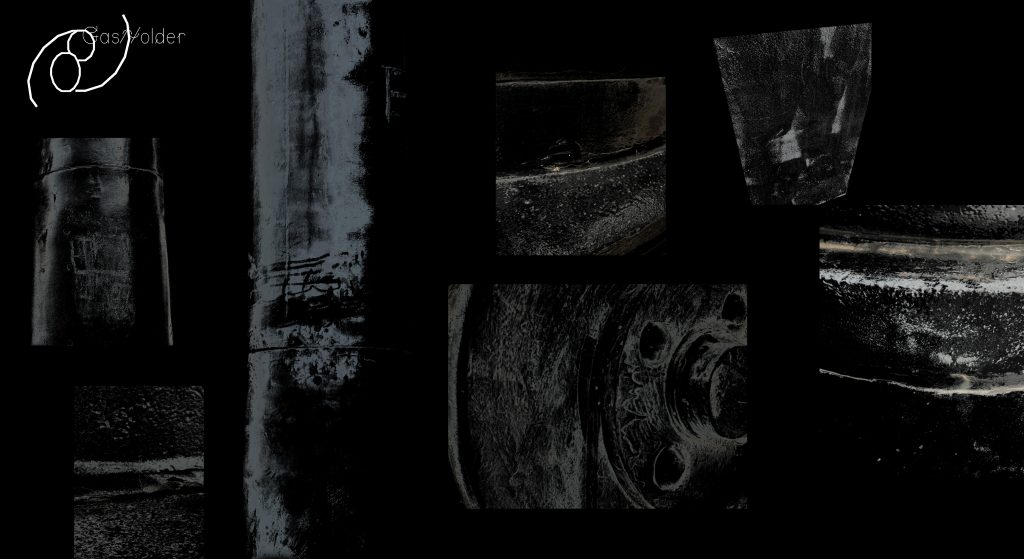
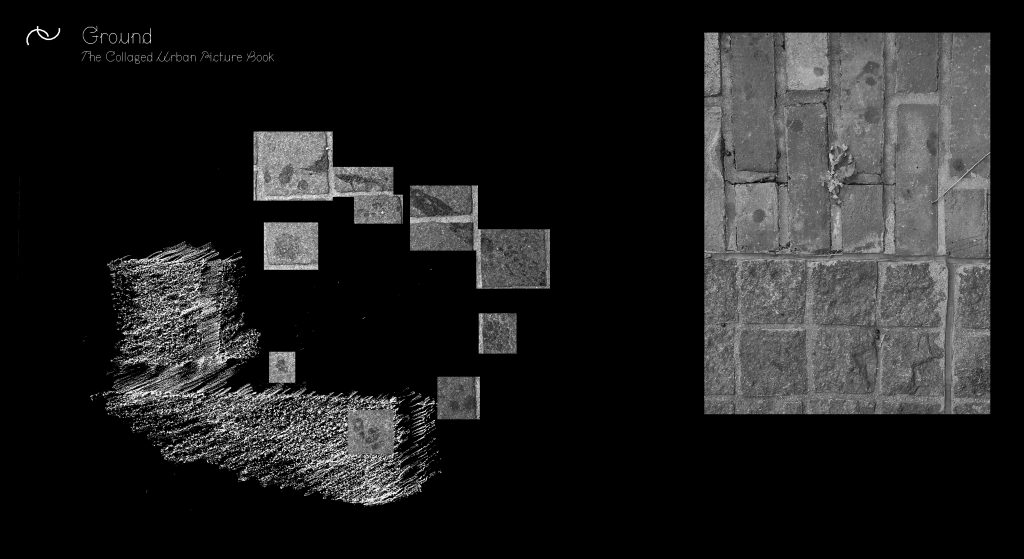
This perception reshaped how I approached Gasholder Park, a redeveloped industrial relic. Rather than focusing on the reflective spectacle of its mirrored columns, I treated the site as a layered ruin—an artefact of continual redesign. Using an archaeological lens, I fragmented the space into small scenes and searched for human traces that reveal its ongoing transformation. The hybrid sense of the real and fictional I experienced while walking among the columns became central to my inquiry. When my investigation reached dead ends, I repeated experiments through note-taking, sketching, photography, and cyanotype. Eventually, I adopted scanning and extracting as my main method. Pressing the scanner against uneven surfaces produced errors and distortions that became metaphors for my own intervention—a second inscription upon existing traces.
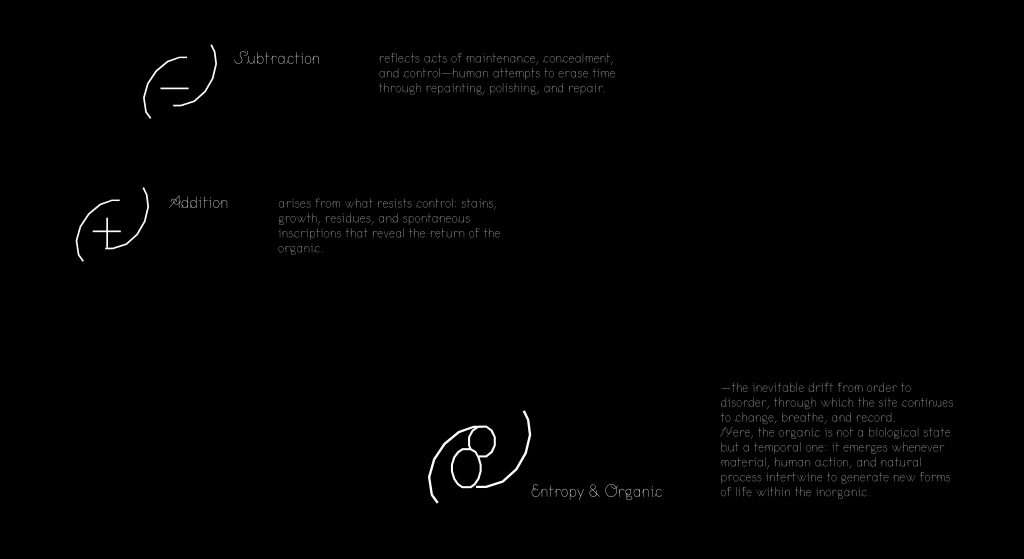
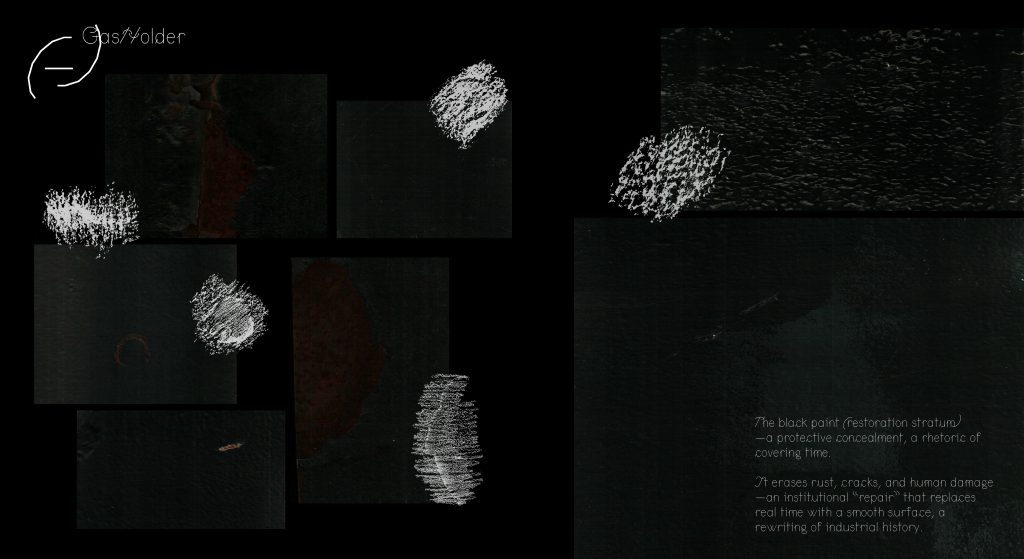
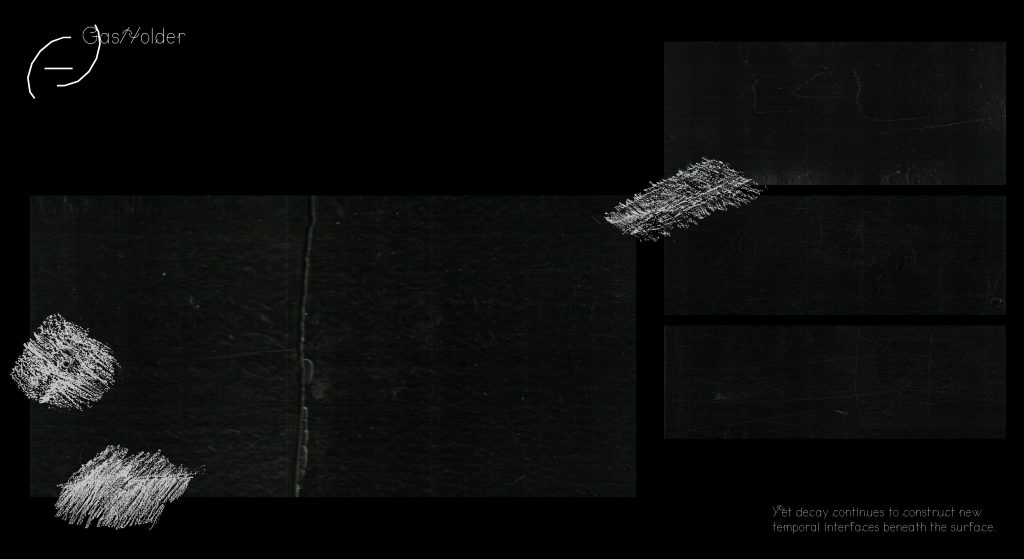
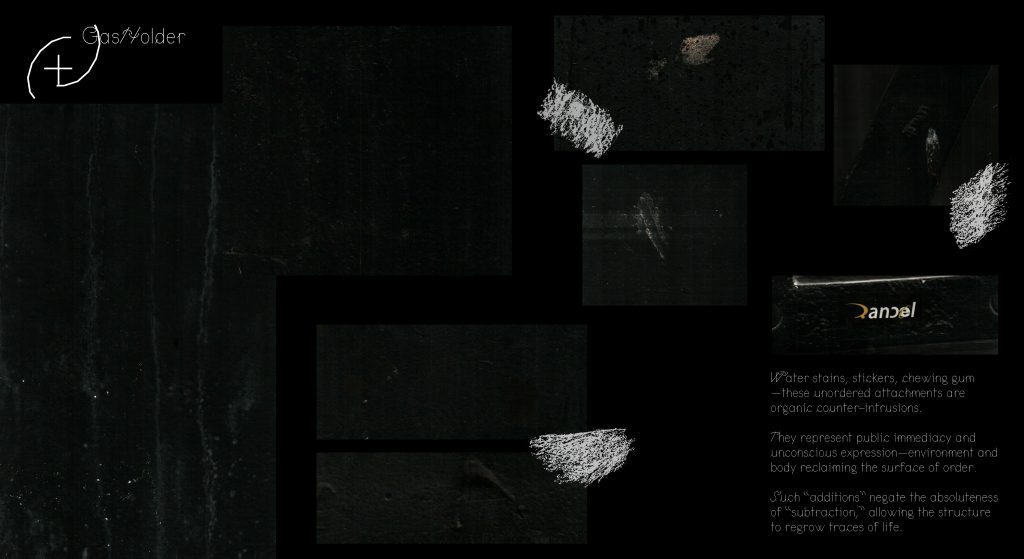
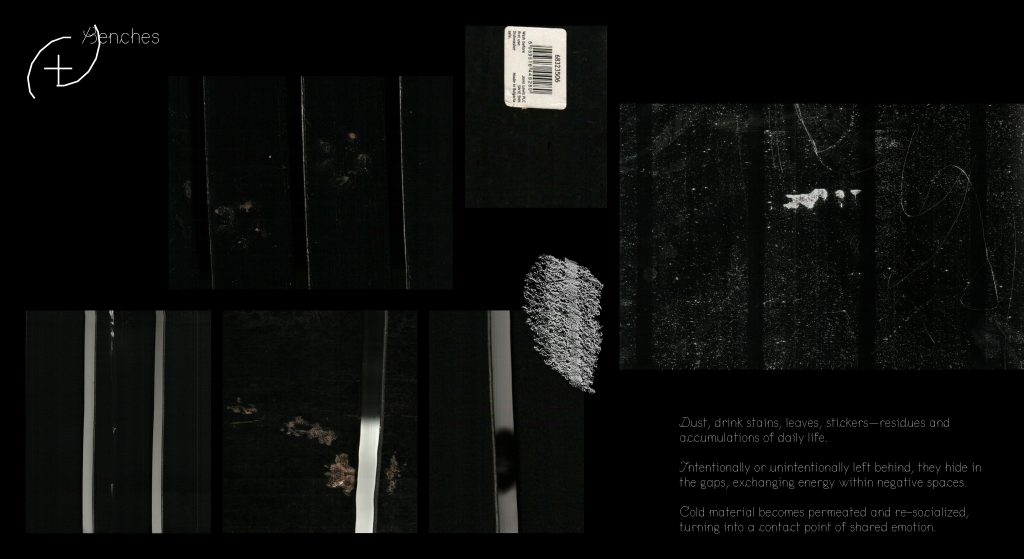
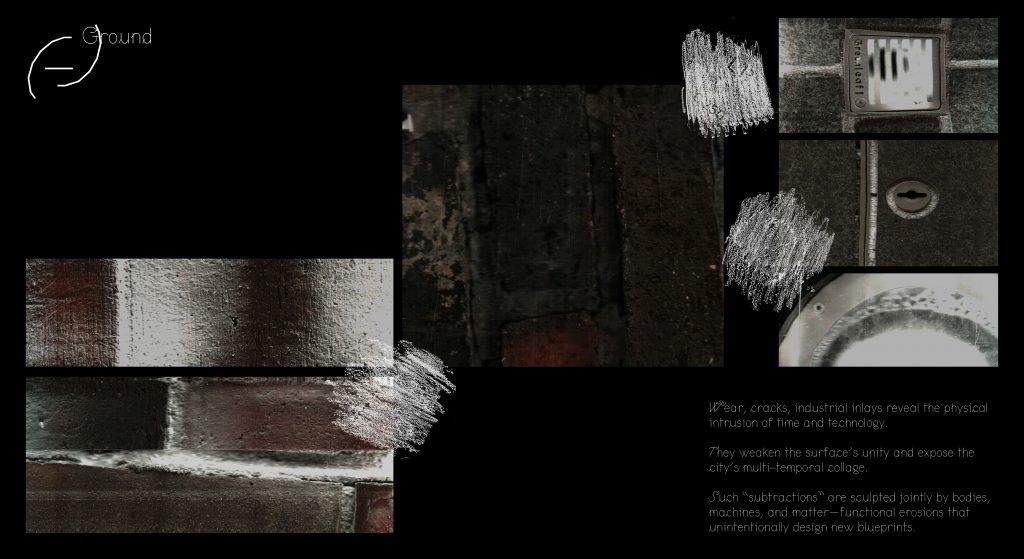
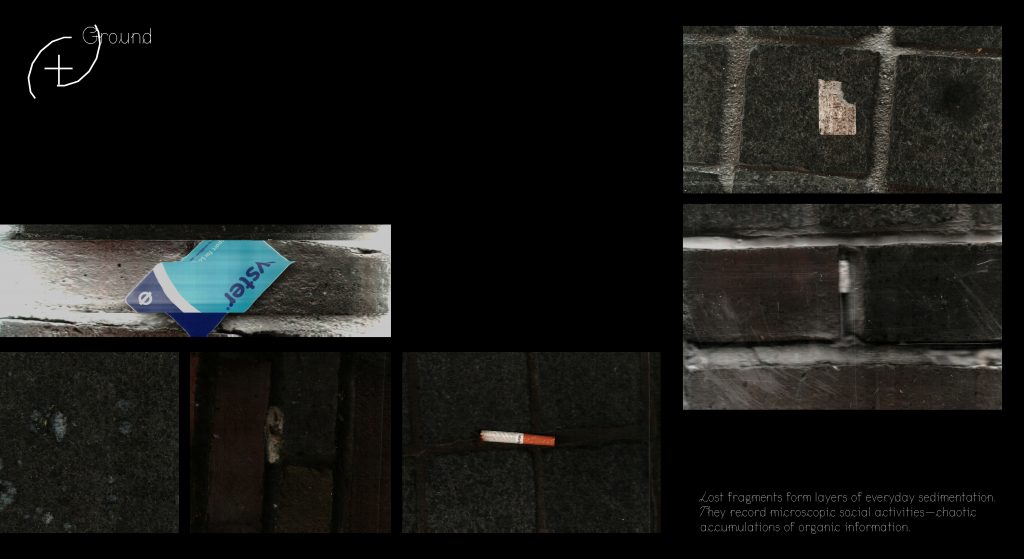
My project extends Perec’s attention to everyday traces into Mattern’s infrastructural thinking, shifting from the visible order of the street to the invisible systems of maintenance and decay. In Infrastructural Tourism, Mattern sees infrastructure not as an object but as a network of relations—a living system of flows, upkeep, and human dependency. Her inversion of figure and ground revealed the tension between visibility and neglect (Mattern, 2013), which inspired my classification of traces into subtraction and addition: the black paint on the gasholder conceals rust and time (“subtraction”), while stains and stickers bring temporality back to the surface (“addition”).
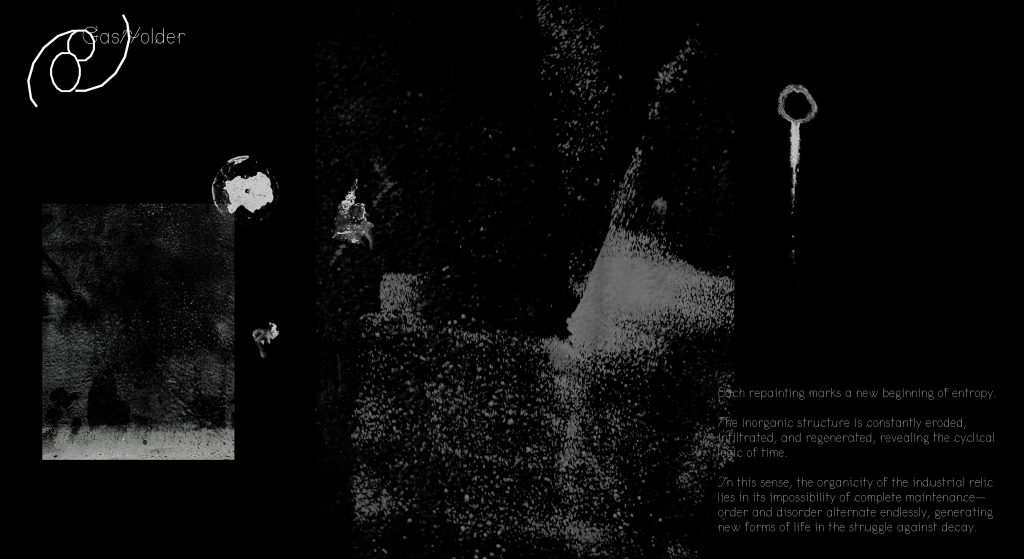
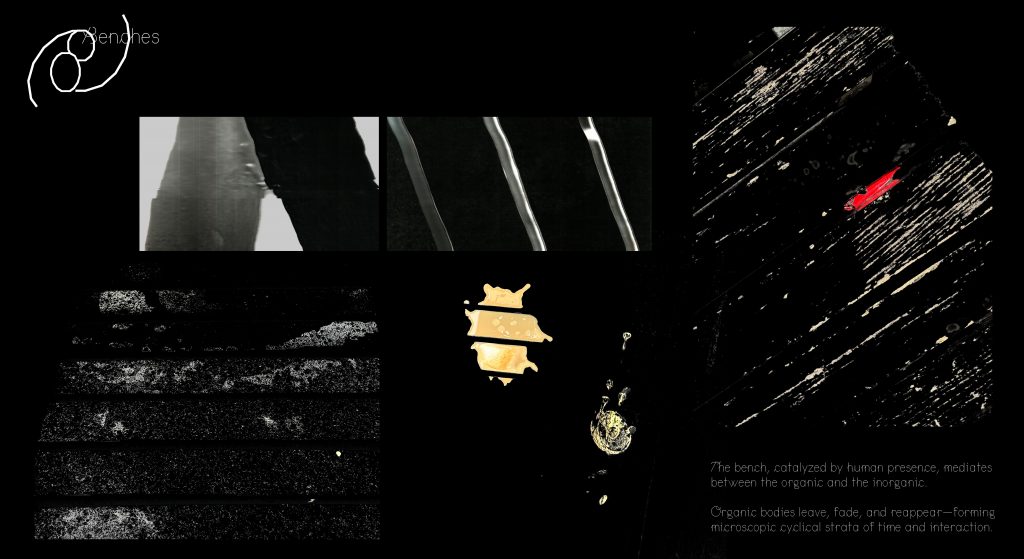
Through this lens, the park appears not as a static, inorganic site but as something organic—constantly reshaped by human and environmental interactions. Regeneration and repainting both illustrate what Mattern calls infrastructure as an ongoing event (Mattern, 2013). From this observation emerged my idea of entropy and the organic: every act of maintenance (subtraction) and every trace of decay (addition) participates in a continuous cycle of disorder and renewal. Entropy here is not destruction but transformation—the process through which order dissolves into new life. The organic lies not in nature itself but in the exchange of energy, matter, and information between humans and the environment, where each trace becomes a living index of time.
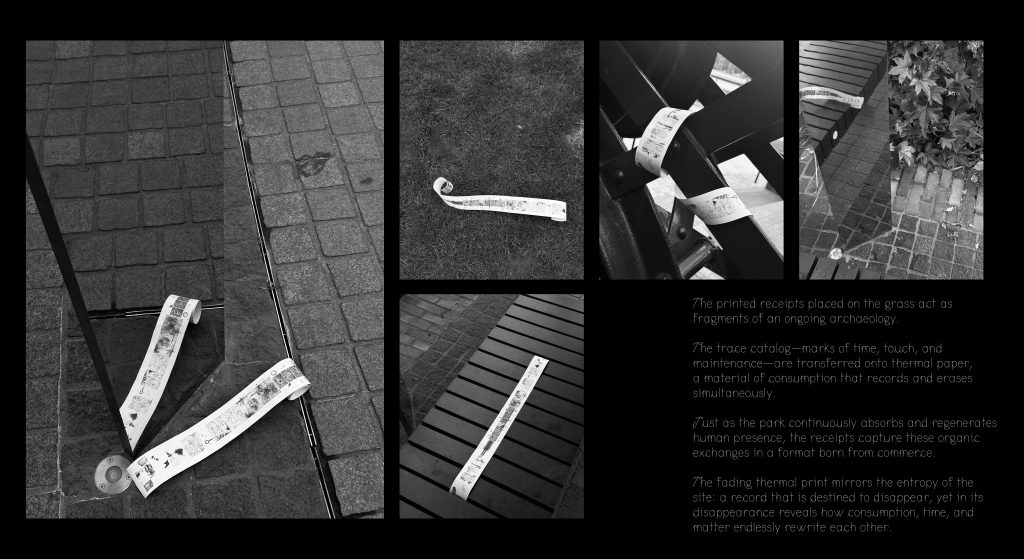
I materialised this idea through thermal receipt paper, a fragile, consumable medium linked to everyday transactions. By collaging printed traces on these ephemeral surfaces and reintroducing them into the park, they became part of its ecosystem—joining its order, marking new points of entropy, and generating further organic change. The visual grammar of subtraction, addition, and entropy/organic invites viewers to read these imprints as part of a broader infrastructural literacy, echoing Mattern’s call to move from perception to awareness and action (Mattern, 2013).
By transforming traces into a living catalog and returning them to their site, I aim to turn observation into collective participation, where perception itself becomes an act of maintenance and renewal.
Reference
Perec, G. (1974) Species of Spaces and Other Places. Penguin
Mattern, S. (2013). Infrastructural Tourism. Places Journal, (2013). doi:https://doi.org/10.22269/130701.
–
(Catalog View)
(Gasholder: The Relocated and Repaired Inorganic Body)
(Benches: Interfaces of Pause)
(Mirror Canopy Columns: Coexistence of Reflection and Reality)
(Ground: The Collaged Urban Picture Book)
(Grassland: The Living Stratum of Artificial Nature)
(Consumption Proof)
Welcome to myblog.arts. This is your first post. Edit or delete it, then start blogging!